FORMULA:
Each mL contains
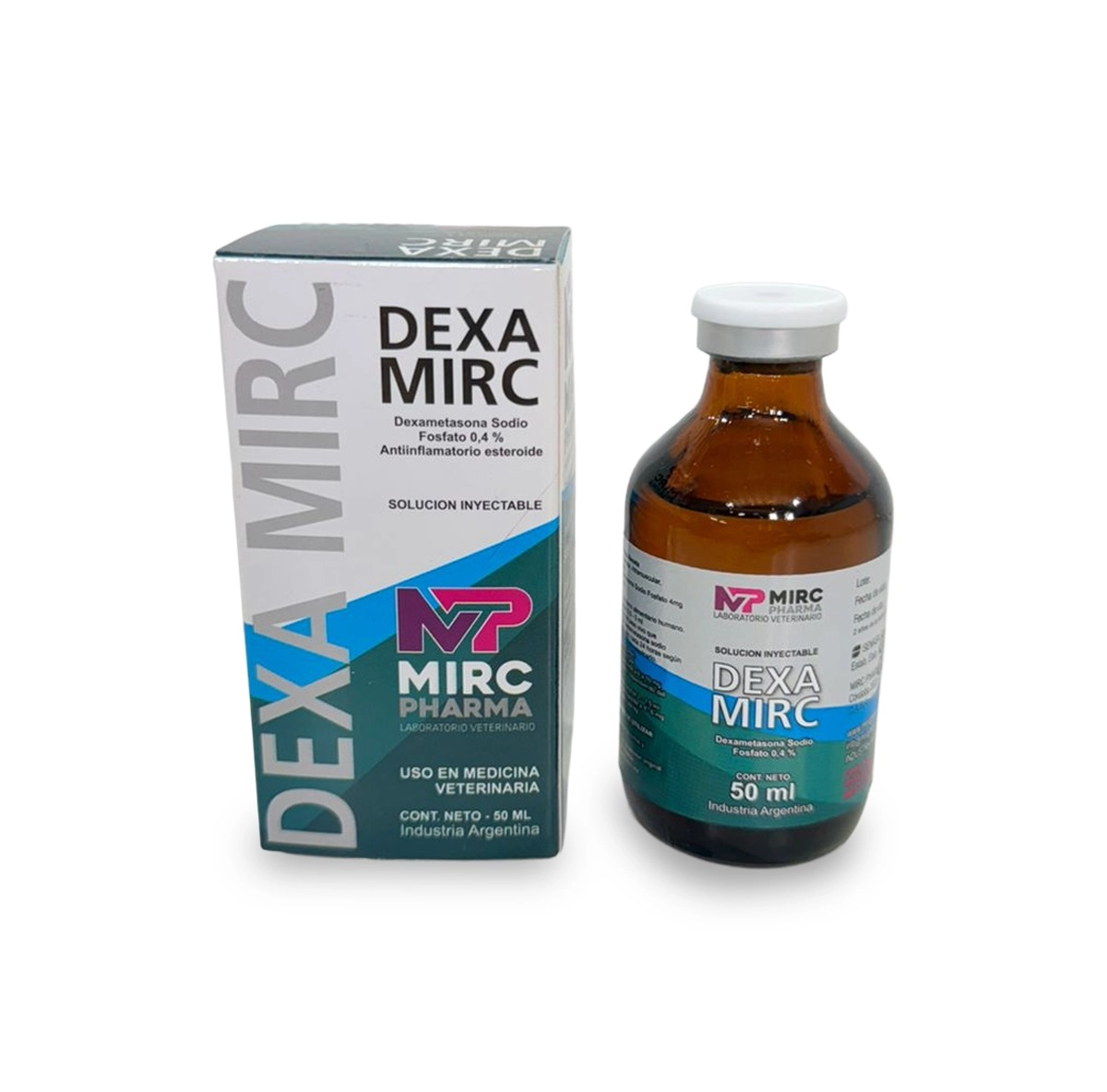
Dexamethasone sodium phosphate 4 mg.
Excipients q.s.
INDICATIONS:
Injectable solution containing dexamethasone sodium phosphate, a fast-acting glucocorticoid. Indicated in horses for the treatment of trauma, inflammatory conditions, and orthopedic disorders in their acute, chronic, and exacerbation phases. Arthritis, myositis, synovitis, bursitis, osteitis, tendinitis. Indicated for edematous conditions of the airways. In cases of shock and the initial treatment of allergic conditions such as atopy, hypersensitivity to insect bites, urticaria, and photosensitivity.
In diseases of autoimmune origin such as Autoimmune Hemolytic Anemia and Pemphigus F diaceo.
DOSAGE:
General dosage: 0.5–5 mL per 100 kg of body weight, corresponding to 2–20 mg of dexamethasone sodium phosphate per 100 kg of body weight, depending on the clinical condition and the veterinarian’s judgment.
For intramuscular administration, the recommended dose is 1.5 to 2.5 ml per joint, corresponding to 6–10 mg depending on the size of the joint.
In cases of shock, the dose ranges from 1–1.5 ml per kilogram of body weight, corresponding to 4–6 mg per kilogram of body weight.
CONTRAINDICATIONS:
Do not use in cases of hypersensitivity to corticosteroids. Do not use in pregnant or lactating females. Do not use in animals with diabetes mellitus, uremic syndrome, chronic nephritis, renal or cardiac failure, hypertension, osteoporosis, acute infusoria, gastrointestinal ulcers, corneal ulcers, glaucoma, or in individuals with leptospirosis, tuberculosis, viral infections, or systemic nicotinic disorders. Do not administer intra-articularly if fractures, bacterial joint infections, or bone necrosis are present. At the indicated dose and duration of treatment, it may cause transient polyuria, polydipsia, polyphagia, and hyperglycemia. Changes in biochemical and hematological parameters may occur, which normalize upon discontinuation of treatment. Long-term administration may lead to iatrogenic Cushing’s syndrome, water and sodium retention with potassium loss, muscle weakness, and delayed wound healing. For long-term treatments, especially at high doses, follow the instructions for administration every other day and gradually reduce the dose. The most serious complication resulting from the discontinuation of steroids is acute adrenal insufficiency, which depends on whether the withdrawal was too rapid following prolonged treatment.
PRECAUTIONS:
Do not mix with other medications in the same syringe. Administer only via the indicated route. If used to treat infections, administer the appropriate antibiotic therapy. Use of this medication may increase the risk of laminitis; therefore, frequent monitoring is required during treatment. Use with caution in immunocompromised animals.
INTENDED FOR:
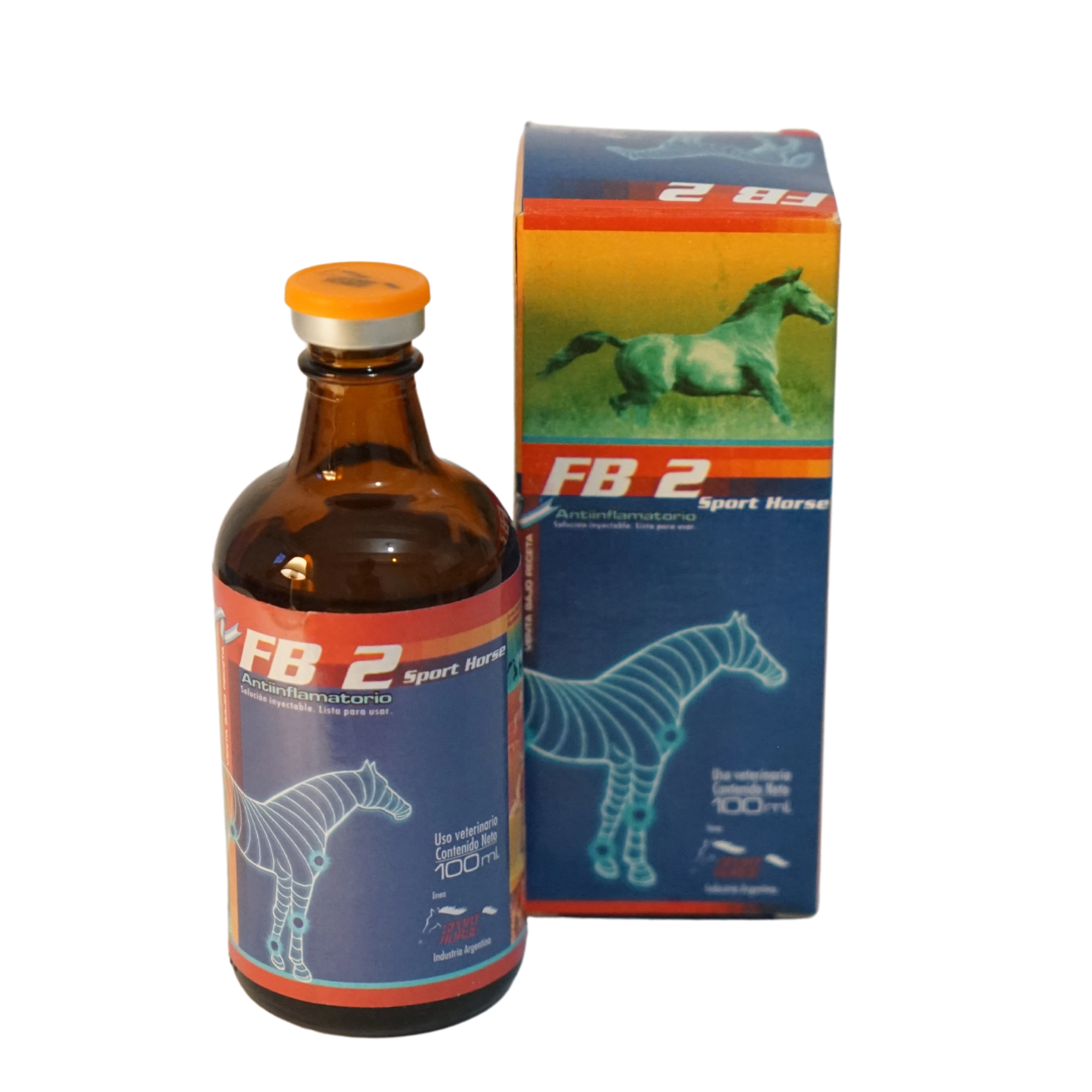
Sport horses.
Do not administer to horses intended for human consumption.
PACKAGING:
Bottle containing 50 ml and 100 ml.
FORMULA:
Each mL contains
Dexamethasone sodium phosphate 4 mg.
Excipients q.s.
INDICATIONS:
Injectable solution containing dexamethasone sodium phosphate, a fast-acting glucocorticoid. Indicated in horses for the treatment of trauma, inflammatory conditions, and orthopedic disorders in their acute, chronic, and exacerbation phases. Arthritis, myositis, synovitis, bursitis, osteitis, tendinitis. Indicated for edematous conditions of the airways. In cases of shock and the initial treatment of allergic conditions such as atopy, hypersensitivity to insect bites, urticaria, and photosensitivity.
In diseases of autoimmune origin such as Autoimmune Hemolytic Anemia and Pemphigus F diaceo.
DOSAGE:
General dosage: 0.5–5 mL per 100 kg of body weight, corresponding to 2–20 mg of dexamethasone sodium phosphate per 100 kg of body weight, depending on the clinical condition and the veterinarian’s judgment.
For intramuscular administration, the recommended dose is 1.5 to 2.5 ml per joint, corresponding to 6–10 mg depending on the size of the joint.
In cases of shock, the dose ranges from 1–1.5 ml per kilogram of body weight, corresponding to 4–6 mg per kilogram of body weight.
CONTRAINDICATIONS:
Do not use in cases of hypersensitivity to corticosteroids. Do not use in pregnant or lactating females. Do not use in animals with diabetes mellitus, uremic syndrome, chronic nephritis, renal or cardiac failure, hypertension, osteoporosis, acute infusoria, gastrointestinal ulcers, corneal ulcers, glaucoma, or in individuals with leptospirosis, tuberculosis, viral infections, or systemic nicotinic disorders. Do not administer intra-articularly if fractures, bacterial joint infections, or bone necrosis are present. At the indicated dose and duration of treatment, it may cause transient polyuria, polydipsia, polyphagia, and hyperglycemia. Changes in biochemical and hematological parameters may occur, which normalize upon discontinuation of treatment. Long-term administration may lead to iatrogenic Cushing’s syndrome, water and sodium retention with potassium loss, muscle weakness, and delayed wound healing. For long-term treatments, especially at high doses, follow the instructions for administration every other day and gradually reduce the dose. The most serious complication resulting from the discontinuation of steroids is acute adrenal insufficiency, which depends on whether the withdrawal was too rapid following prolonged treatment.
PRECAUTIONS:
Do not mix with other medications in the same syringe. Administer only via the indicated route. If used to treat infections, administer the appropriate antibiotic therapy. Use of this medication may increase the risk of laminitis; therefore, frequent monitoring is required during treatment. Use with caution in immunocompromised animals.
INTENDED FOR:
Sport horses.
Do not administer to horses intended for human consumption.
PACKAGING:
Bottle containing 50 ml and 100 ml.